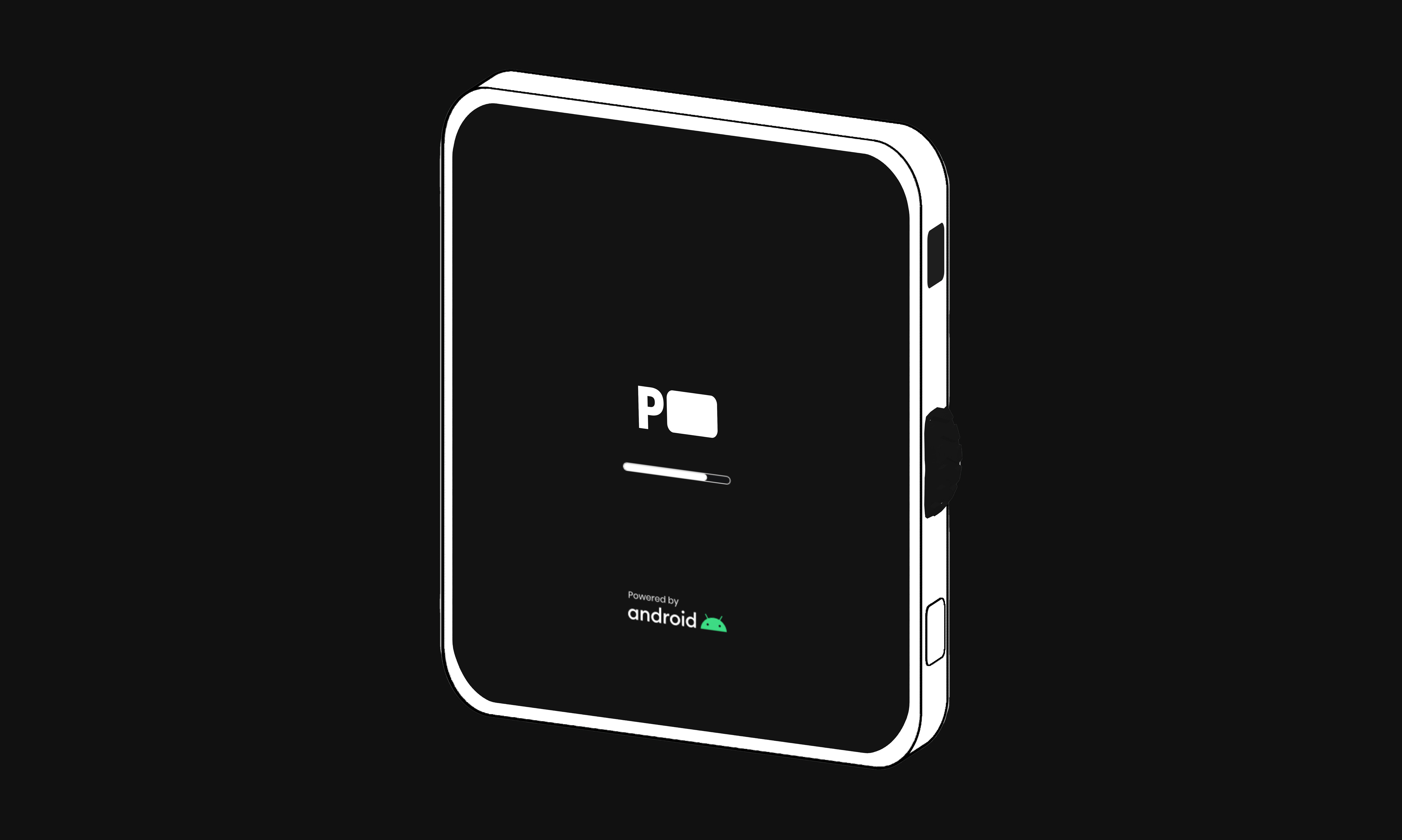
Passport
Concept Designer // AI-powered phone
Passport: Reimagining the personal AI device.
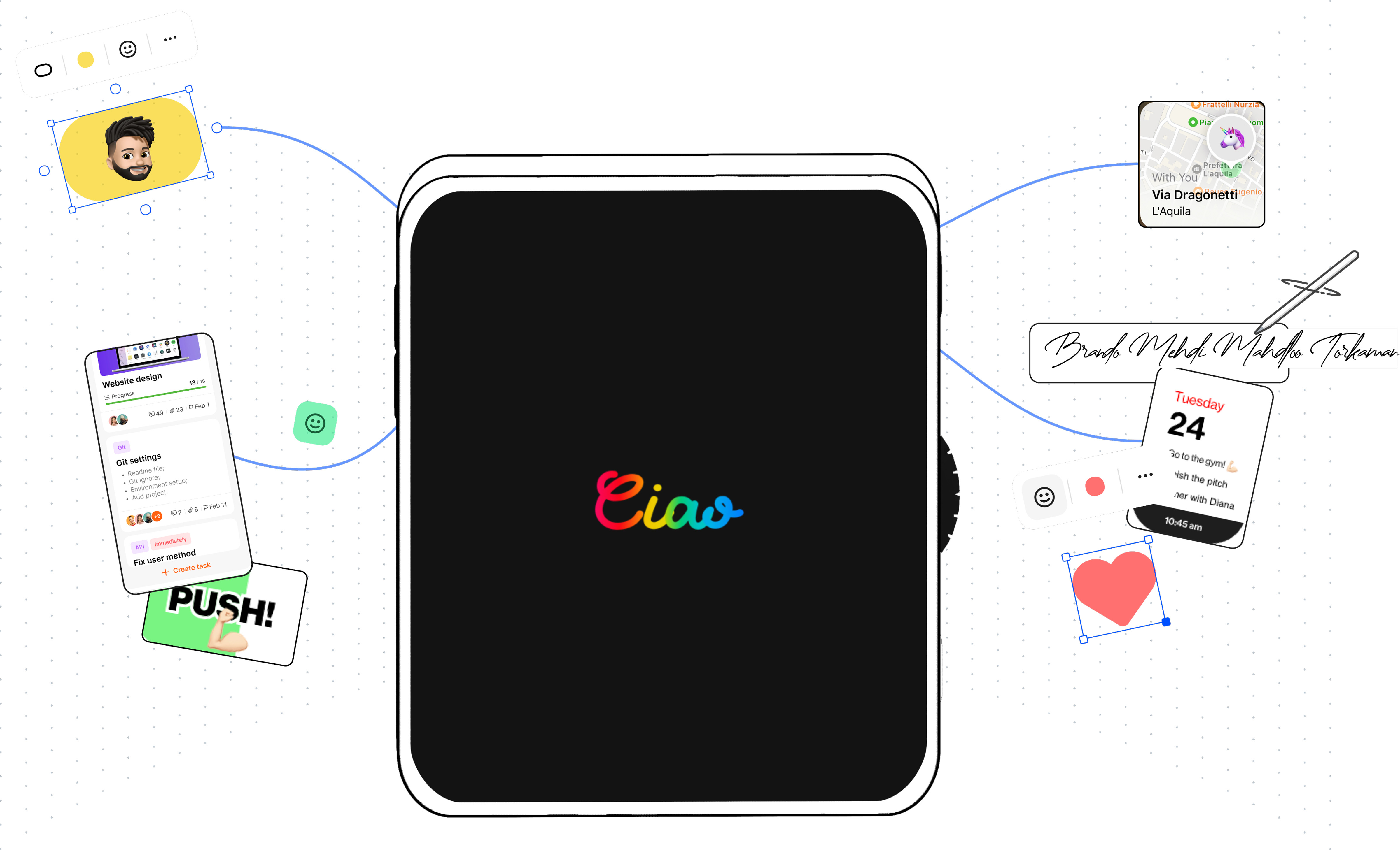
Passport is a conceptual hardware and software project that explores what a truly personal AI device could look like in a future where artificial intelligence becomes central to everyday life. Unlike traditional smartphones, Passport was imagined from the ground up as an AI-native companion, designed to understand its owner, build context over time, and provide meaningful support across work, communication, entertainment, and personal life.
The project was created as a design exercise and product vision, rather than a commercial product. Its purpose was to challenge familiar assumptions about mobile devices and explore how hardware, software, and artificial intelligence could come together in a more personal, human-centered experience.
As Concept Designer, I defined the product vision, designed the hardware concept, imagined the operating experience, and created the visual prototypes that bring the idea to life.
Designing beyond the smartphone
Passport began with a simple question: if artificial intelligence becomes the primary interface between people and technology, should devices continue to look and behave like traditional smartphones?
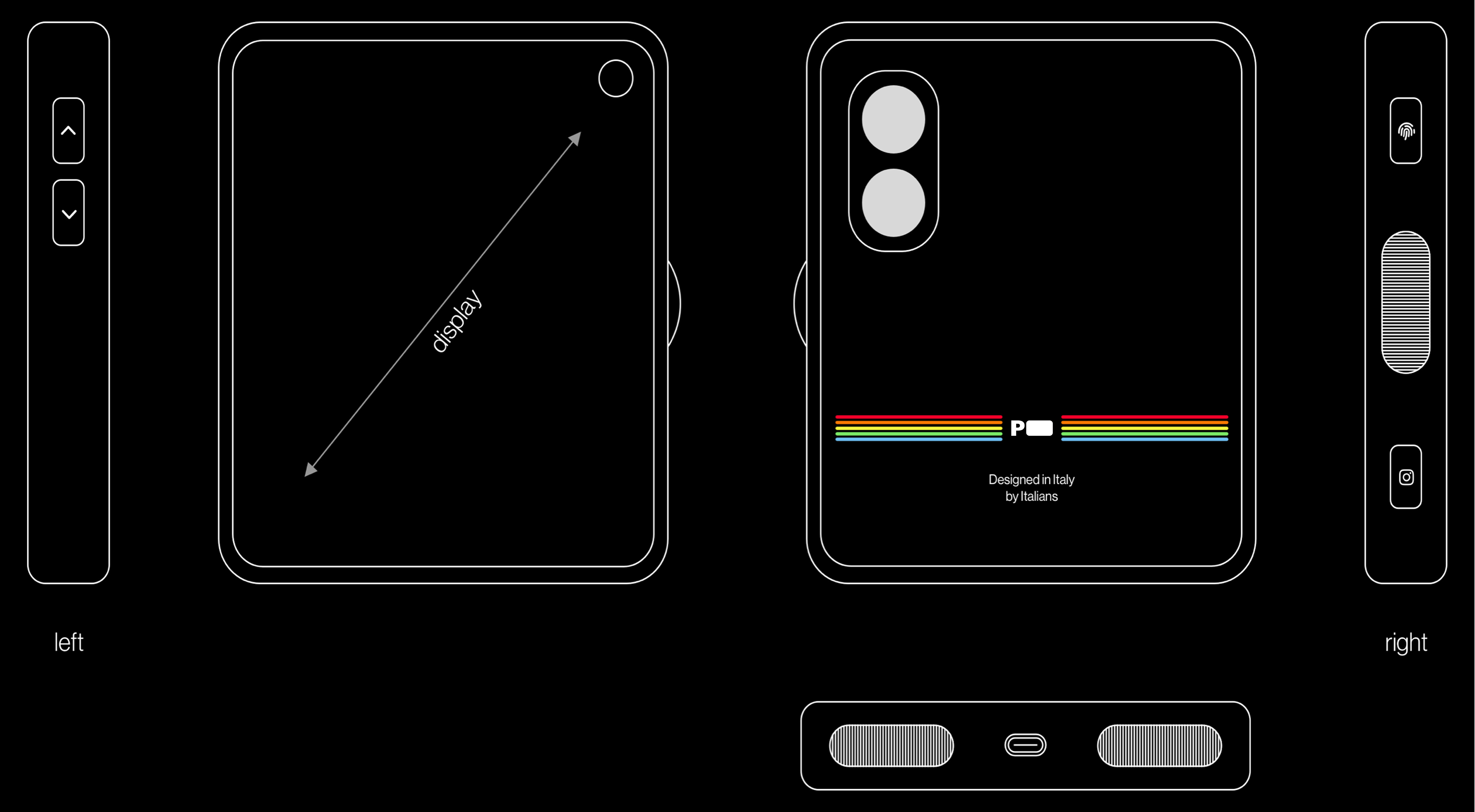
Rather than following established industry conventions, I explored an alternative form factor inspired by the object that gave the project its name. The result is a compact device whose proportions evoke the familiarity of a passport while remaining practical enough to serve as a modern communication and productivity tool.
The goal was not simply to create a visually distinctive product, but to design a device that feels more personal, intentional, and connected to the identity of its owner.
An AI that knows you
At the heart of the concept is an artificial intelligence system designed to build personal context over time. Rather than operating as a standalone chatbot, Passport imagines an AI that understands the user’s world through the information they deliberately choose to share.
Emails, documents, calendars, conversations, locations, notes, preferences, and personal knowledge all contribute to an understanding of the user that can evolve continuously. The aim is to move beyond generic assistance and toward genuinely contextual support.
Whether helping with work, organizing personal commitments, answering questions, planning activities, or supporting decision making, the AI is designed to feel less like a tool and more like a trusted companion that understands the broader context behind each request.
Hardware designed around interaction
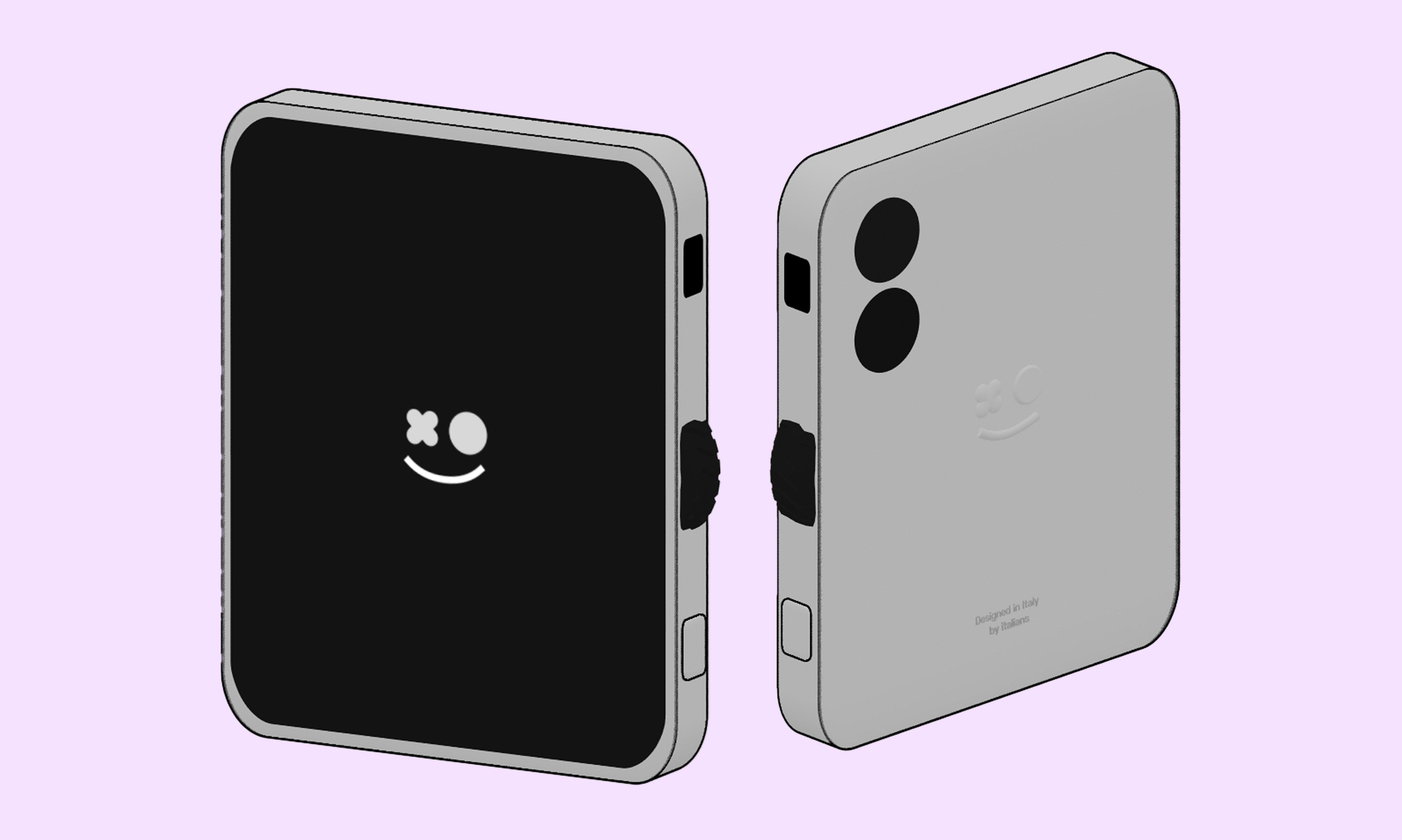
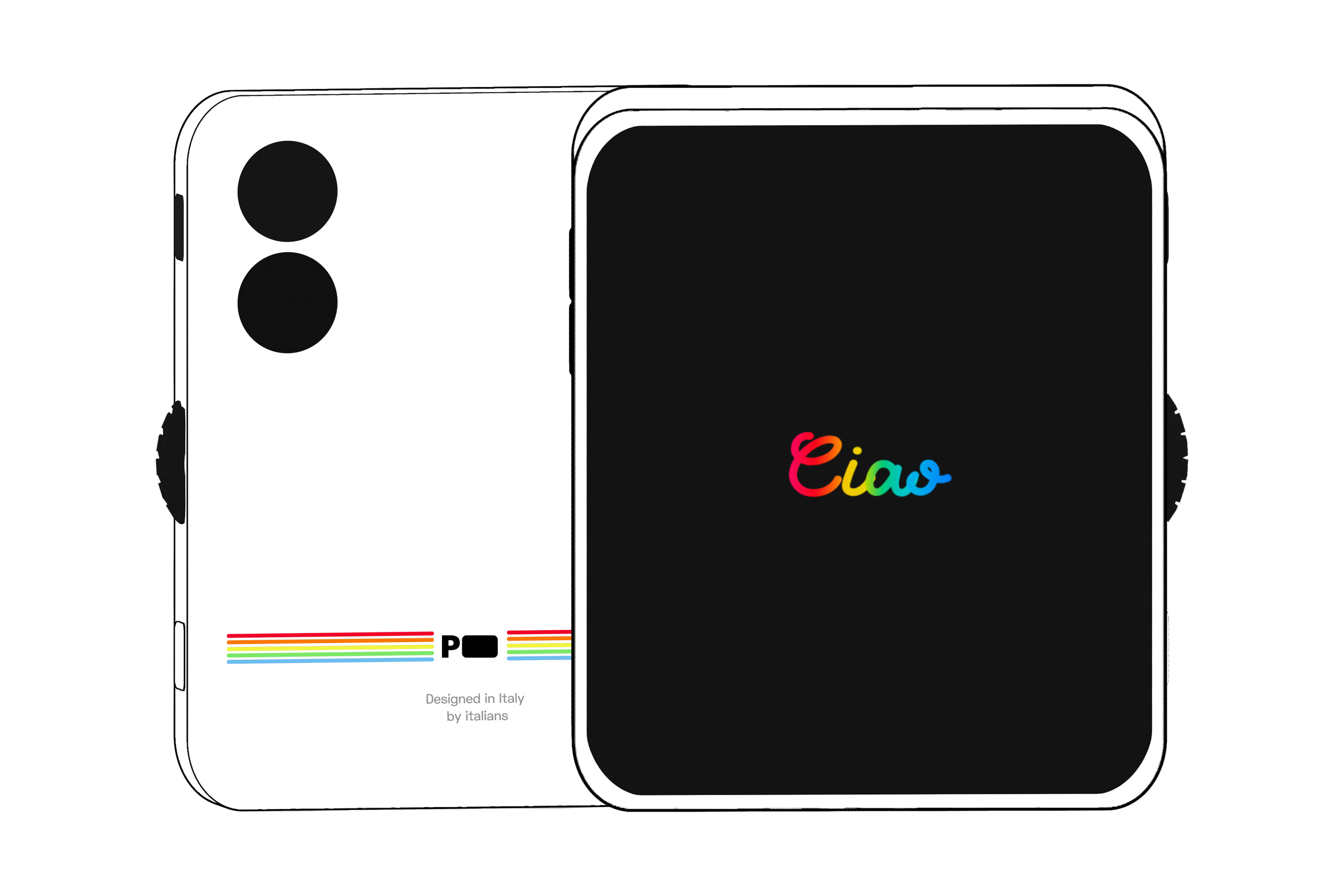
Passport was designed as a complete device, not as a software concept placed inside an existing smartphone. Every hardware element was considered as part of the overall user experience.
One of its most distinctive features is a physical navigation wheel integrated into the side of the device. While the display remains fully touch-enabled, the wheel offers an alternative way to navigate content, browse information, and control the interface with greater precision and comfort.
The concept also includes the capabilities people expect from a modern smartphone, including messaging, navigation, media consumption, gaming, photography, connectivity, and productivity tools. Rather than replacing those experiences, Passport reimagines how they might coexist within a device centered on artificial intelligence.
Building an AI-native experience
Most modern devices treat artificial intelligence as an additional feature layered on top of an existing operating system. Passport explores the opposite approach.
The concept imagines an ecosystem where AI is the foundation of the experience rather than a secondary tool. Every interaction, recommendation, notification, and workflow is shaped around the idea that the device understands context and can provide proactive support when it is genuinely useful.
This approach opens the door to new forms of interaction, where technology adapts to the user instead of constantly requiring the user to adapt to technology.
A vision of what comes next
Passport was created to explore a future scenario rather than solve an immediate business problem. It is an exercise in product vision, interaction design, industrial design, and AI-first thinking.
The project gave me the opportunity to experiment with new hardware paradigms, alternative interaction models, and the role artificial intelligence may play in future personal devices. It also allowed me to turn abstract ideas into tangible prototypes that communicate both functionality and emotion.
As a concept project, Passport demonstrates my ability to think beyond current market conventions, connect emerging technology with human needs, and turn speculative ideas into cohesive product experiences. It sits at the intersection of product strategy, concept design, user experience, and future-focused innovation.